

How to Prevent Commercial Drain Clogs: A Practical Guide
Table of Contents
- What Causes Commercial Drain Clogs
- Grease Trap Maintenance Requirements Every Facility Must Meet
- Commercial Floor Drain Covers: Your First Line of Defense
- Step-by-Step: How to Prevent Commercial Drain Clogs Daily
- Building a Commercial Drain Maintenance Schedule
- Professional vs. DIY Drain Maintenance: Knowing When to Call a Plumber
- Common Mistakes That Lead to Drain Blockages
- Conclusion
Last Updated: August 26, 2026
Commercial drain clogs don't announce themselves. They build quietly, grease coating pipe walls, food scraps collecting in P-traps, debris slipping past inadequate strainers, until one morning you're dealing with a backed-up floor drain during a lunch rush or a health inspection. At Guardian Drain Lock, we've spent over 20 years working with restaurant operators, facility managers, and maintenance supervisors who all face the same underlying problem: most drain protection strategies are reactive rather than preventative. This guide covers exactly how to prevent commercial drain clogs before they become expensive emergencies, with a practical schedule, step-by-step daily protocols, and honest guidance on when professional help is non-negotiable.
The real cost isn't the plumber's invoice. It's the operational downtime, the failed inspection, and the staff scramble that follows a drain overflow. Most commercial drain clogs are entirely preventable with the right combination of physical barriers, cleaning protocols, and maintenance schedules.
What Causes Commercial Drain Clogs
Commercial drain clogs follow predictable patterns. Understanding the source is the first step toward eliminating them.
Fat, Oil, and Grease Buildup
Fat, oil, and grease (FOG) is the leading cause of commercial drain blockages in foodservice environments. FOG enters the drainage system as a liquid during cooking and cleaning, then cools and solidifies on pipe walls as it travels through plumbing. Over time, these deposits narrow drainage capacity, eventually causing slow drains, drain overflow, and complete blockages. In high-volume kitchens where fryers, griddles, and steam equipment run continuously, every rinse cycle pushes FOG further into the drainage system. Without a properly maintained grease trap, the buildup reaches the sewer line, triggering regulatory violations and emergency service calls.
Solid Debris and Food Waste
Solid debris causes an equal share of commercial drain clogs. Food scraps, paper towels, small utensils, and packaging fragments all find their way into floor drains during busy service periods. These solids catch on existing grease deposits, creating blockages that accelerate rapidly. In non-foodservice facilities, hospitals, schools, factories, the debris profile shifts to hair, cleaning product residue, and industrial waste. The mechanism is the same: solid material accumulates in P-traps and pipe bends, restricting drainage flow until the system backs up.
Grease Trap Maintenance Requirements Every Facility Must Meet
Grease trap maintenance isn't optional for commercial foodservice operations; it's a regulatory requirement enforced at the municipal and state level across the country.
Pumping Frequency and Regulatory Compliance
A grease trap is a plumbing device installed between kitchen drains and the sewer line that captures FOG before it enters the municipal sewer system. Most local municipalities require commercial kitchens to pump and clean their grease traps based on the "25% rule": the trap must be pumped when the combined depth of grease and solids reaches 25% of the trap's total liquid depth.
According to the EPA guidance on fats, oils, and grease management for foodservice establishments, improper FOG disposal is one of the leading causes of sanitary sewer overflows, which carry significant environmental and legal consequences for facility operators. Compliance requirements vary by jurisdiction; facility managers should verify local ordinances directly with their municipal water authority. Pumping frequency for most high-volume commercial kitchens falls between monthly and quarterly, depending on kitchen volume and trap size. Keeping service records is essential, as inspectors regularly request documentation of pumping history.
Signs Your Grease Trap Needs Immediate Attention
Several warning signs indicate a grease trap is nearing failure: slow drains throughout the kitchen, foul sulfur or rotten odor near floor drains, visible grease floating in sink basins, gurgling sounds from drains during peak service, or drain overflow during high-volume cleaning cycles. Any one of these signals warrants immediate inspection.
Commercial Floor Drain Covers: Your First Line of Defense
Physical barriers are the most underrated element of commercial drain maintenance. Most facilities install a basic strainer and consider the problem solved.
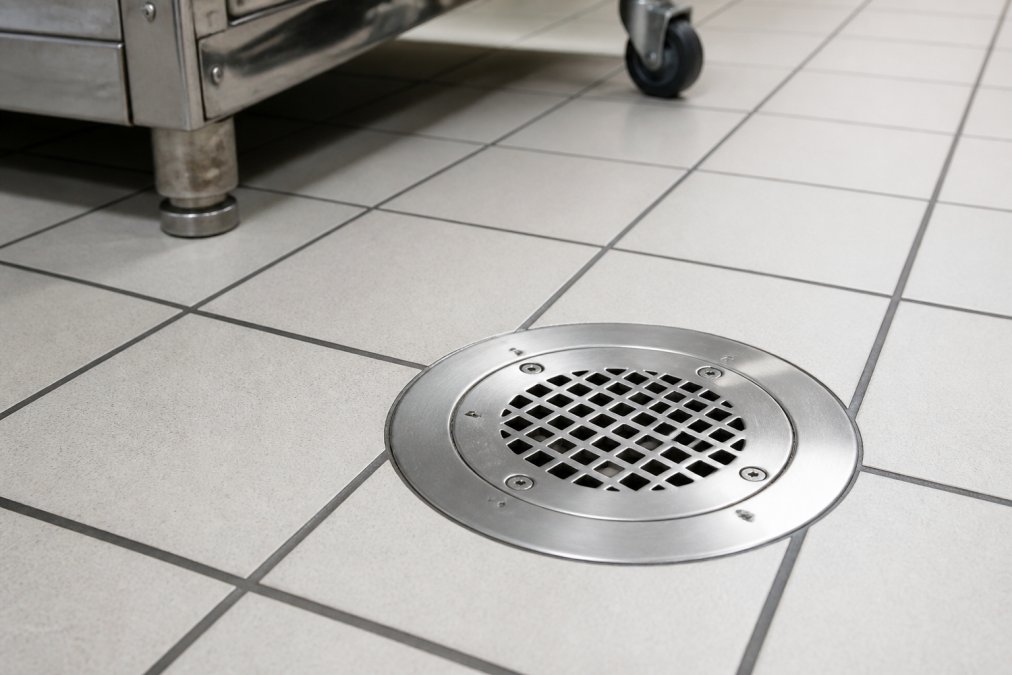
Commercial floor drain covers intercept solid debris before it enters the plumbing system, reducing the volume of material that reaches the grease trap and P-traps. This directly reduces pumping frequency, extends the service life of downstream plumbing fixtures, and reduces the likelihood of emergency blockages during operating hours.
What Separates a Tamper-Resistant Drain Lock from a Basic Strainer
A basic strainer catches large debris but does nothing to prevent staff from removing it when it becomes inconvenient. Staff pull strainers out to speed up floor cleaning, then forget to replace them. Debris enters the drain unimpeded, and the strainer's protective function disappears entirely.
A tamper-resistant drain lock addresses this directly. Guardian Drain Lock's products are engineered with a locking mechanism that keeps the drain cover secured in place during normal operations, requiring deliberate removal rather than casual displacement. The durable stainless steel construction handles chemical exposure, high temperatures, and physical abuse common in commercial environments. The pre-assembled design means installation doesn't require specialized tools or extended downtime.
The practical difference: a basic strainer protects the drain only when staff remember to use it correctly. A tamper-resistant lock protects the drain continuously, regardless of staff behavior.
Step-by-Step: How to Prevent Commercial Drain Clogs Daily
Daily discipline separates facilities that rarely deal with commercial drain clogs from those that call a plumber every few months. The following protocol is designed for high-volume commercial environments and takes less than 30 minutes per shift when built into the closing routine.
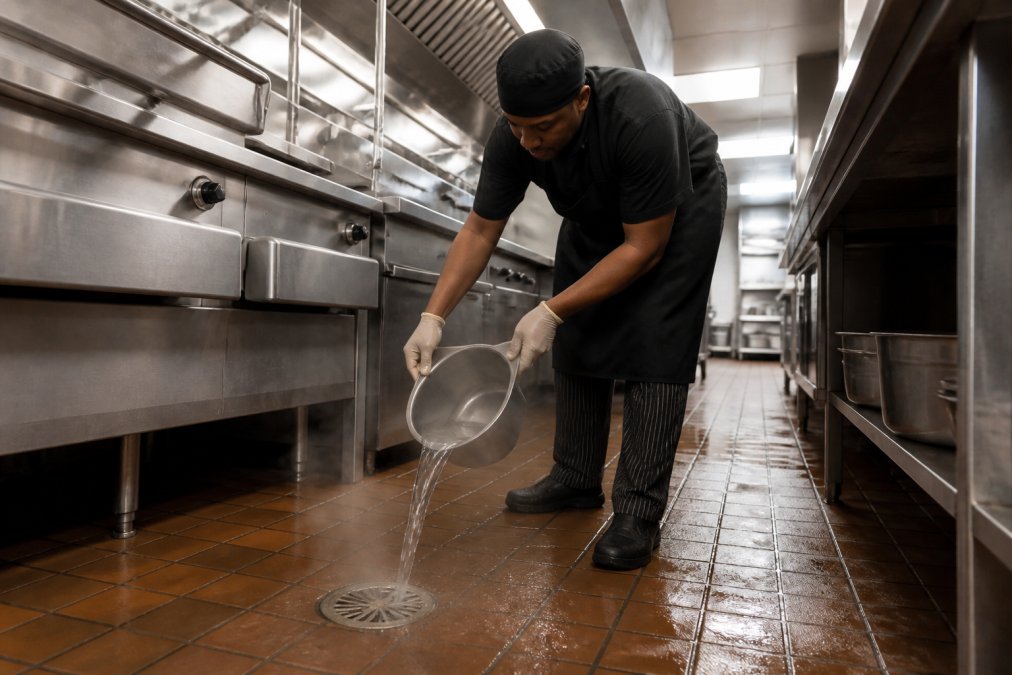
| Step | Action | Frequency | Time Required |
|---|---|---|---|
| 1 | Install drainage screens on every drain | One-time setup | 15-30 min total |
| 2 | Flush drains with hot water | After each service period | 5 min |
| 3 | Apply enzyme-based cleaner | Weekly | 5 min |
| 4 | Dispose of grease and oil properly | Every service | Ongoing |
| 5 | Train staff on drain usage | Onboarding + quarterly | 30 min |
Step 1: Install Drainage Screens and Strainers on Every Drain
Every floor drain and sink drain in a commercial facility needs a properly sized screen or strainer. A single unprotected drain in a kitchen or utility room can accumulate enough debris to cause a blockage that backs up the entire drainage system. Audit every drain in the facility and identify any without covers, with damaged screens, or with ill-fitting strainers. Replace or upgrade each one. For high-traffic drains in kitchens and dishwashing areas, tamper-resistant drain locks provide the most reliable ongoing protection.
Step 2: Flush Drains with Hot Water After Each Service Period
Hot water flushing is one of the simplest and most effective preventative maintenance steps available. At the end of each service period, run the hottest available water down each floor drain and sink drain for 3 to 5 minutes. This softens and partially dislodges FOG deposits before they fully solidify on pipe walls, maintaining drainage flow between professional cleaning cycles. This step costs nothing beyond the water used and is the lowest-effort intervention with meaningful impact on pipe integrity over time.
Step 3: Apply Enzyme-Based Drain Cleaners Weekly
Enzyme-based drain cleaners use bio-enzymatic activity to break down organic material, grease, food waste, and other biological debris inside the drainage system. Unlike chemical drain maintainers that rely on caustic compounds, bio-enzymatic cleaners work without damaging pipe walls or corroding plumbing fixtures. Weekly application, typically poured down each drain at the end of the last shift of the week, allows the enzymes to work overnight when drainage flow is minimal. According to the NSF International guidelines on commercial kitchen sanitation, bio-enzymatic products used in food-contact adjacent environments should be verified as safe for food-handling areas.
Step 4: Dispose of Grease and Oil Properly
Proper grease and oil disposal is the single most impactful behavior change available to any commercial kitchen. Cooking oil and grease should never enter the drain system. The correct approach: allow cooking oil and grease to cool and solidify in a designated container, then dispose of it in the trash or through a licensed grease recycling service. The EPA's best management practices for commercial kitchens recommends dry wiping pans and cooking surfaces before washing to reduce the FOG load entering the drainage system. Facilities that implement strict grease disposal protocols consistently report fewer emergency plumbing calls and longer intervals between grease trap pumping cycles.
Step 5: Train Staff on What Cannot Go Down the Drain
Training is where most drain maintenance programs fail. Effective staff training covers three things: what cannot go down the drain (FOG, food scraps, paper products, cleaning wipes), where those materials should go instead (designated containers, trash), and why it matters (drain overflows, inspection failures, operational shutdowns). Keep it short, make it visual, and reinforce it quarterly.
Building a Commercial Drain Maintenance Schedule
A maintenance schedule converts good intentions into consistent action. Without a written schedule, drain maintenance gets deprioritized during busy periods, which is exactly when it matters most.
Daily and Weekly Tasks
Daily tasks should be built into the closing checklist for every shift.
Daily:
- Clear drainage screens and strainers of accumulated debris
- Flush all floor drains and sink drains with hot water for 3-5 minutes
- Dispose of cooking grease and oil in designated containers
- Inspect drains for slow drainage or unusual odors
Weekly:
- Apply enzyme-based drain cleaner to all drains (end of last shift)
- Inspect drain covers and locks for damage or displacement
- Check grease trap for visible buildup at access point
Monthly and Quarterly Professional Services
Some drain maintenance tasks require professional equipment and expertise. Hydro-jetting uses high-pressure water to clear FOG deposits and debris from deep within the sewer line, a level of blockage removal that enzyme treatments and hot water flushing cannot reach.
Monthly:
- Professional inspection of grease trap fill level
- Camera inspection of high-risk drain lines (if history of blockages)
Quarterly:
- Grease trap pumping (adjust based on actual fill rate and local requirements)
- Hydro-jetting of main drain lines in high-volume kitchens
- Full facility drain audit: check all fixtures, covers, and P-traps
Professional vs. DIY Drain Maintenance: Knowing When to Call a Plumber
Most daily and weekly drain maintenance is manageable in-house. Hot water flushing, enzyme treatments, and debris removal from screens require no specialized tools or expertise. Call a licensed plumber when: multiple drains are slow simultaneously (indicating a main line blockage), drain overflow occurs despite regular maintenance, hydro-jetting is needed to clear FOG deposits, grease trap pumping is due or overdue, any drain emits persistent sewage odor after cleaning, or a camera inspection reveals pipe corrosion or structural damage.
Professional hydro-jetting and grease trap service have a defined cost that facility managers can budget for. Emergency plumbing calls during operating hours, with associated downtime, potential health code violations, and expedited service fees, cost significantly more and are largely unpredictable. As documented in the Food Safety and Inspection Service guidelines on commercial facility sanitation, maintaining functional drainage systems is a baseline requirement for food safety compliance. Preventative professional service, scheduled quarterly, is almost always cheaper than reactive emergency service.
Common Mistakes That Lead to Drain Blockages
Drain blockages in commercial facilities are rarely caused by a single failure. They're caused by a combination of small, individually manageable mistakes that compound over time.
The most common: relying on a single layer of protection (a grease trap without drain screens), skipping hot water flushing during busy periods, using chemical drain maintainers as a substitute for cleaning, neglecting low-traffic drains, treating staff training as a one-time event, and having no accountability for grease disposal. The pattern across all these mistakes is the absence of systems. Facilities with documented protocols, physical barriers, and scheduled professional service don't make these mistakes repeatedly because the systems catch the failures before they become blockages.
Preventing commercial drain clogs is a systems problem, not a product problem. The right physical barriers, tamper-resistant drain covers, properly sized grease traps, drainage screens on every fixture, form the foundation. Daily flushing, weekly enzyme treatments, and proper grease disposal maintain that foundation between professional service intervals. Guardian Drain Lock's tamper-resistant drain locks, built from durable stainless steel with a pre-assembled design that installs without downtime, address the most common failure point: drain covers that get removed and never replaced. With over 20 years of industry experience behind every product, Guardian Drain Lock is built for the environments where drain protection actually gets tested. Shop all drain locks and put a physical barrier between your plumbing and the next emergency service call.
Frequently Asked Questions
What is the most common cause of commercial drain blockages?
Fat, oil, and grease, collectively called FOG, are the leading cause of commercial drain blockages, particularly in restaurant and foodservice kitchens. When hot grease is poured down a sink or floor drain, it cools and solidifies inside the pipe, narrowing drainage capacity over time. Food solids, paper products, and cleaning wipes compound the problem. Preventing commercial drain clogs starts with controlling what enters the drain in the first place, using physical barriers like drain covers and tamper-resistant locks.
How often should commercial drains be professionally cleaned?
High-volume kitchens and foodservice facilities typically need professional drain cleaning every one to three months, depending on usage. Hydro-jetting is the most effective method for clearing FOG buildup and restoring full drainage flow inside sewer lines. Grease traps generally require pumping every 30 to 90 days under most local pretreatment ordinances. Facilities with lower drain traffic, such as schools or offices, may extend professional service intervals to quarterly or semi-annually, provided a solid daily and weekly maintenance routine is in place.
What are the benefits of using tamper-resistant drain locks?
Tamper-resistant drain locks stop staff from removing drain protection when it becomes inconvenient, the single biggest reason basic strainers fail in commercial settings. A locked drain cover stays in place during busy service periods, blocking food waste, solids, and debris before they reach the P-trap or grease trap. Over time, this reduces emergency plumbing calls, extends grease trap pumping intervals, and protects pipe integrity. For facilities managing multiple drains across a large footprint, tamper-resistant locks also simplify compliance documentation during health inspections.
What should never be poured down a commercial sink drain?
Cooking oil, liquid grease, dairy products, and starchy foods like rice or pasta should never go down a commercial sink drain, they solidify or expand inside pipes and accelerate FOG accumulation. Coffee grounds, eggshells, and fibrous vegetables also cause persistent clogs. Chemical drain maintainers that are not rated for commercial plumbing infrastructure can corrode older pipes and damage gaskets. Proper grease and oil disposal means collecting waste in sealed containers and arranging pickup through a licensed grease recycling service.
This article was written using GrandRanker