

Reduce Restaurant Plumbing Repair Costs
Table of Contents
- Why Restaurant Plumbing Repair Costs Spiral Out of Control
- Common Restaurant Plumbing Issues and Their Price Tags
- Building a Restaurant Plumbing Maintenance Checklist
- Preventing Grease Trap Backups Before They Cost You
- Commercial Drain Maintenance Schedule That Protects Your Bottom Line
- Physical Drain Protection vs. Reactive Repairs
- How to Negotiate Annual Maintenance Contracts and Off-Peak Service
- Frequently Asked Questions
Last Updated: August 31, 2026
Why Restaurant Plumbing Repair Costs Spiral Out of Control
Restaurant plumbing systems operate under relentless pressure. Every day, your kitchen generates grease, food solids, and debris that flow through drains designed for water. A single emergency call can run hundreds of dollars. A full sewer line backup? Thousands. Yet most restaurant owners treat plumbing as a reactive problem, waiting for failure and paying the penalty.
The real issue isn't that plumbing fails, it's that most facilities lack a systematic approach to prevent failures. Guardian Drain Lock has worked with commercial kitchens for over 20 years, and the pattern is consistent: implementing preventative strategies can significantly reduce annual plumbing expenses compared to those that don't.
When you understand what drives commercial plumbing costs, you can control them. Grease trap backups, clogged drain lines, and water damage don't strike randomly, they result from debris accumulating in places it shouldn't be. The financial impact extends beyond repair bills; operational downtime during a crisis halts food service, disappoints customers, and damages reputation. This guide walks you through strategies that actually reduce restaurant plumbing repair costs.
Common Restaurant Plumbing Issues and Their Price Tags
Restaurant plumbing fails in predictable ways. Understanding which problems cost the most helps you prioritize prevention investments.
Grease trap overflow and backups rank as the single most expensive recurring issue. Grease accumulates faster than most operators expect, especially in high-volume kitchens. When the trap reaches capacity, grease backs up into floor drains, sinks, and sometimes the main sewer line. Professional grease trap cleaning typically costs $150-$300, but a backup requiring hydro-jetting or sewer line clearing can exceed $800-$1,500. Downtime during a backup can force kitchen closure entirely.
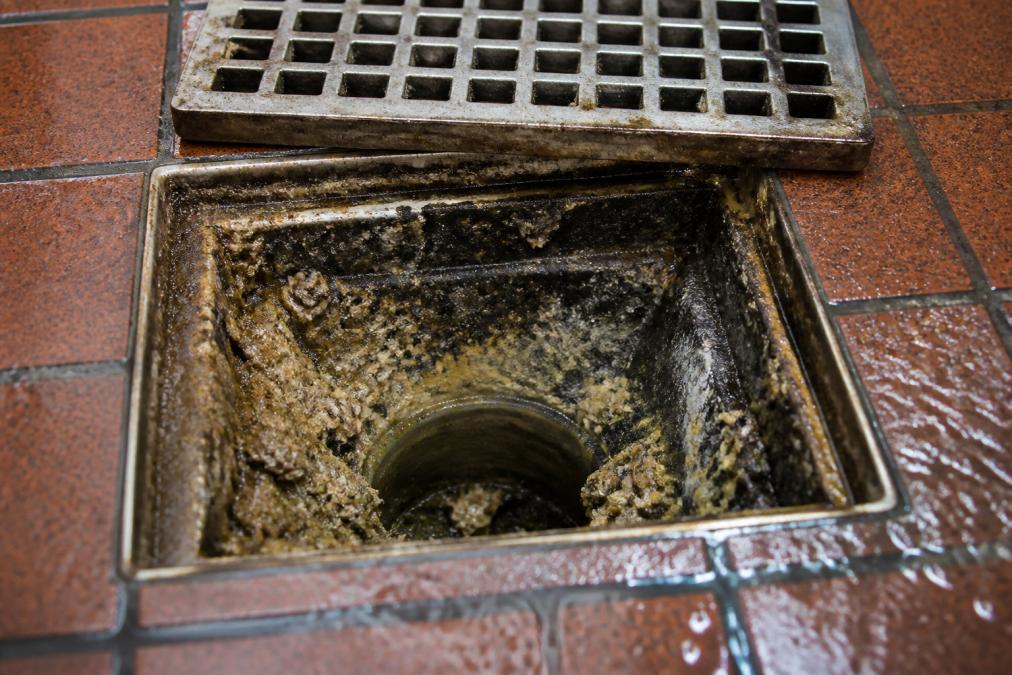
Clogged drain lines are the second most frequent problem. Food particles, grease, and debris collect in P-traps and drain pipes, reducing flow until water backs up. Small clogs cost $200-$400 to clear; larger blockages can run $500-$1,000 or more. The real cost multiplier is frequency, if your kitchen experiences clogs quarterly, you're spending $800-$4,000 annually just clearing drains.
Water damage occurs when backups overwhelm the drainage system. Beyond immediate cleanup, water damage compromises flooring, substructure, and equipment. Professional restoration services add $1,000-$5,000 to the bill, with potential mold remediation pushing total damage into five figures.
Sewer line issues represent the worst-case scenario. A broken or collapsed sewer line requires excavation and replacement, easily running $3,000-$25,000 depending on depth and length. Prevention becomes critical at this level.
The pattern across all issues is the same: debris enters the plumbing system, accumulates, and eventually blocks flow. Each blockage costs money; each emergency repair costs more than scheduled maintenance.
Building a Restaurant Plumbing Maintenance Checklist
A structured maintenance checklist transforms plumbing from crisis-driven expense into predictable, manageable cost.
Daily tasks focus on preventing debris from entering drains. Train kitchen staff to scrape plates and cookware before washing. Install drain screens at all floor sinks and kitchen drains, emptying them at shift's end.
Weekly maintenance includes inspecting floor drains for standing water or slow drainage, early warning signs of accumulation. Run hot water through drains to help clear minor buildup.
Monthly deep cleaning involves flushing drain lines with hot water and commercial drain cleaner. Enzyme-based cleaners designed for commercial kitchens break down grease and food particles without harsh chemicals.
Quarterly professional inspection brings in a licensed plumber to assess grease trap condition, drain lines, and sewer connection. A professional identifies problems your staff won't catch, like slow leaks or partial blockages. Quarterly inspections cost $100-$200 but catch issues before they become $1,000+ emergencies.
Annual maintenance contract with a commercial plumbing service provides scheduled visits, priority emergency response, and repair discounts. Contracts typically cost $1,200-$2,400 depending on facility size and lock in predictable costs.
Document every maintenance action in a log. Note when drains were cleaned, when inspections occurred, what problems were found, and what repairs were made. Over time, your maintenance log becomes the roadmap for reducing emergency calls.
Preventing Grease Trap Backups Before They Cost You
The grease trap is the most critical component of your drainage system. It separates grease from wastewater, allowing grease to solidify for removal rather than flowing into the sewer system.
Understand your trap's capacity. Most restaurant grease traps are sized for peak usage. If your kitchen is busier than the trap was designed for, it fills faster than scheduled cleaning can keep up. Know your trap's capacity and schedule cleaning before it reaches maximum fullness.
Never pour grease down the drain. This is the single biggest cause of trap failure. Train every staff member to dispose of cooking oils and grease in a separate container. One cook pouring a pan of fryer oil down the drain can undo weeks of preventative maintenance.
Install physical barriers at drain points. A tamper-resistant drain lock or basket system prevents large food solids from entering the drain in the first place. Guardian Drain Lock's DUO 2-in-1 Floor Sink Basket systems, available in 9.5 inch round and 8.5 inch square configurations, feature dual-basket filtration that captures larger particles in the top basket while finer debris is caught by the bottom basket. This dual-layer approach keeps both large solids and smaller particles out of your trap.


Schedule grease trap cleaning based on usage, not calendar dates. A trap in a high-volume kitchen might need cleaning every two weeks; a smaller operation might go six weeks. Work with your plumber to establish a schedule based on actual usage patterns.
Monitor trap performance. If your trap is backing up more frequently or if you notice grease odors, the trap may be undersized or your usage patterns have changed. Discuss this with your plumber.
Commercial Drain Maintenance Schedule That Protects Your Bottom Line
A structured commercial drain maintenance schedule prevents the reactive cycle where emergency repairs drain your budget.
| Maintenance Task | Frequency | Estimated Cost | Purpose |
|---|---|---|---|
| Daily drain screen emptying | Daily | $0 (staff time) | Prevent large debris from entering pipes |
| Weekly drain inspection | Weekly | $0 (staff time) | Spot slow drainage or pooling water early |
| Monthly hot water flush | Monthly | $0-50 | Clear minor grease and food buildup |
| Quarterly professional inspection | Quarterly | $100-200 per visit | Identify problems before they escalate |
| Grease trap cleaning | Every 2-6 weeks | $150-300 per cleaning | Prevent backup and sewer line issues |
| Annual hydro-jetting | Annually | $300-600 | Deep clean drain lines and remove stubborn buildup |
| Annual maintenance contract | Annually | $1,200-2,400 | Bundled service with priority emergency response |
The cost of this preventative schedule typically ranges from $3,000-$5,000 annually for a mid-sized restaurant. Compare that to a single sewer line backup ($3,000-$25,000) or multiple emergency calls per year ($800-$1,500 each), and the value becomes clear. Prevention is insurance against far larger costs.
Adjust this schedule based on your facility's specific usage. Work with your plumber to customize the schedule to your actual operational demands. The key is consistency, mark cleaning dates on your calendar, assign responsibility, and track completion.
Physical Drain Protection vs. Reactive Repairs
The choice between installing physical drain protection and waiting for problems is really a choice between small, predictable prevention costs or large, unpredictable repair costs.
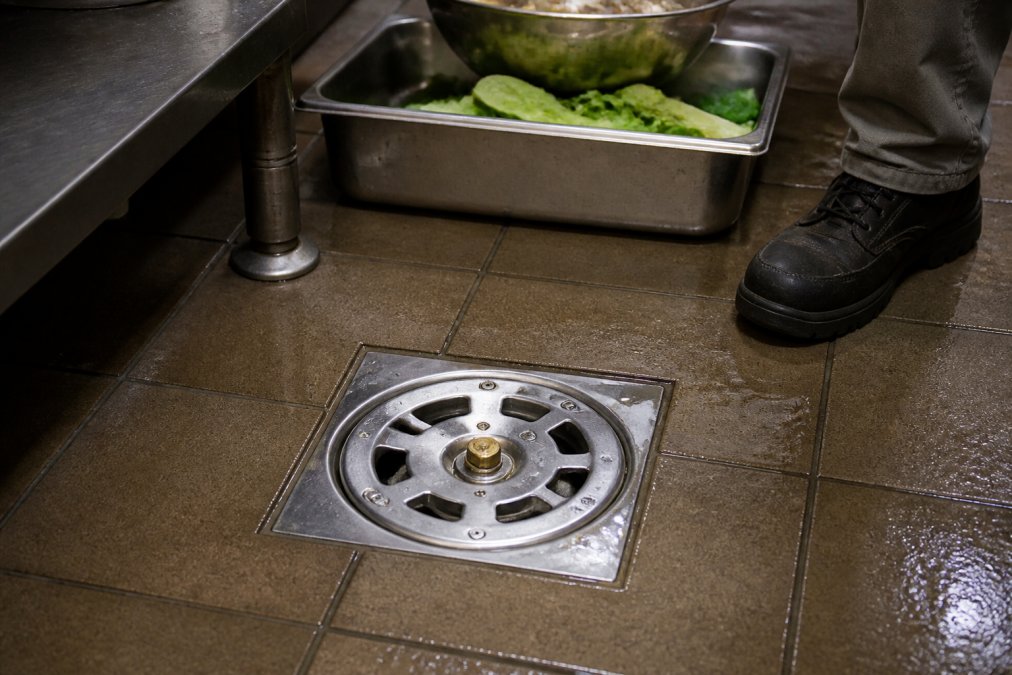
Physical barriers stop debris before it enters the plumbing system. A drain lock or basket system sits at the drain opening, catching food solids, grease, and other debris before they flow into pipes. The Guardian Dome D-LOCK combines a glass-filled polypropylene base with a cast aluminum dome top and tamper-proof stainless steel bolt, designed specifically for high-volume commercial kitchens. By blocking debris at the source, you reduce the load on your grease trap, minimize drain clogs, and lower professional cleaning frequency.
The cost of installing drain protection is one-time. A Guardian Drain Lock solution runs $57-$58 per unit. For a typical restaurant with 3-5 floor drains, complete installation costs $300-$400. That investment pays for itself within a single prevented emergency call.
Reactive repairs cost far more and disrupt operations. An emergency plumbing call on a Saturday night costs significantly more than a scheduled visit on a Tuesday morning. Many plumbers charge premium rates for after-hours service. Beyond the service fee, an emergency means operational disruption, your kitchen may need to shut down while repairs are underway, costing lost revenue and disappointed customers.
Insurance and liability considerations favor prevention. A water damage incident caused by a plumbing backup can trigger insurance claims, deductibles, and potential liability issues. Installing physical drain protection demonstrates due diligence in preventing foreseeable failures, potentially lowering your insurance risk profile.
The comparison is straightforward: spend $300-$400 on drain protection plus $3,000-$5,000 annually on maintenance, or spend $5,000-$15,000 on emergency repairs and downtime. Prevention wins on cost, operational continuity, and risk management.
How to Negotiate Annual Maintenance Contracts and Off-Peak Service
Annual maintenance contracts lock in predictable plumbing costs and ensure your system gets consistent attention.
Understand what's included. A typical commercial plumbing maintenance contract includes scheduled service visits (usually quarterly), grease trap cleaning on a set frequency, drain line inspection, and priority emergency response. Some contracts include annual hydro-jetting or sewer line inspection. Clarify exactly what the contract covers and what triggers additional charges.
Negotiate frequency based on your actual usage. Don't accept a one-size-fits-all contract. If your facility is lower-volume, you may not need quarterly grease trap cleaning. A contract tailored to your actual operational demands costs less and still provides adequate protection.
Request off-peak scheduling discounts. Plumbers charge premium rates for service during peak hours because scheduling around your operations is inconvenient. If you can schedule maintenance during off-peak times, early morning, late night, or between service periods, you can often negotiate a 10-20% discount. This works especially well for routine maintenance like grease trap cleaning.
Negotiate emergency response terms. A maintenance contract should include priority emergency response. Define what "priority" means, some contracts guarantee a plumber within 4 hours; others might be 24 hours. Faster response costs more, but negotiate the response time that matches your actual risk tolerance.
Bundle multiple services for better rates. If you have multiple locations or a large facility, use that scale to negotiate volume discounts.
Review the contract annually. If your business has grown or you've invested in drain protection systems that reduce debris flow, your service needs may have changed. Use your maintenance log and actual service history to make the case for adjustments.
Document everything in writing. Ensure your contract clearly states what's included, service frequency, emergency response terms, pricing, and modification or cancellation terms.
The goal is to transform plumbing from an unpredictable expense into a predictable monthly or annual cost.
Restaurant plumbing repair costs don't have to dominate your operating budget. The facilities that spend the least on emergency repairs invest consistently in prevention. A structured maintenance schedule, physical drain protection, and a well-negotiated service contract create a system where plumbing failures become rare.
Guardian Drain Lock's tamper-resistant drain protection systems, including the Guardian Drain Lock Flat and Guardian Dome D-LOCK, are engineered specifically for commercial kitchens. By preventing debris from entering your drain system, these solutions reduce the load on your grease trap, minimize emergency clogs, and lower annual plumbing expenses. With over 20 years of industry experience, Guardian Drain Lock has helped countless restaurants, hospitals, and schools reduce costly service calls and operational downtime. Get started today and transform your plumbing from a liability into a protected system.
Frequently Asked Questions
Q: What is the average cost of a commercial plumbing emergency call?
Emergency plumbing calls for restaurants typically range from $300 to $1,500 depending on the issue severity, time of day, and your location. After-hours calls cost significantly more. Preventative maintenance and drain protection can eliminate most emergencies, making the upfront investment in systems like drain locks and regular grease trap cleaning far cheaper than even one emergency service call.
Q: How often should commercial kitchen drains be professionally cleaned?
Most commercial kitchens need professional drain cleaning every 1 to 3 months, depending on volume and grease output. High-volume operations may require monthly service. A documented commercial drain maintenance schedule prevents surprise backups and keeps repair costs predictable. Combining professional cleaning with physical drain protection through devices like floor sink baskets extends the time between cleanings and reduces overall annual plumbing expenses.
Q: How can staff training reduce plumbing repair frequency?
Staff who understand what belongs in drains prevent the majority of clogs. Training should cover: never pouring grease down drains, scraping food waste before washing, and not removing or tampering with drain locks. Tamper-resistant designs physically prevent staff from bypassing protection, but education reinforces why these systems matter. Facilities that combine staff training with drain protection can see reductions in service calls compared to those relying on training alone.
Q: What is the most common cause of restaurant plumbing emergencies?
Grease and food debris accumulation is the leading cause. Grease cools and solidifies in pipes, trapping food particles and eventually blocking water flow entirely. This forces expensive emergency repairs and can damage grease traps and interceptors. Installing drain locks and floor sink baskets that capture debris before it enters the plumbing system, combined with a preventative maintenance schedule, stops this problem at the source and eliminates the majority of emergency calls.